Scaling a Recruiting Firm in Year One
On this episode of The Elite Recruiter Podcast, host Benjamin Mena sits down with Camp Jennings, co-founder of Henry North, to unpack what it really takes to launch a successful search firm from the ground up—without decades of recruiting experience. Camp Jennings shares the raw, behind-the-scenes story of his company’s first year: from making cold calls out of a Panera Bread, to landing their first clients through personal networks, and scaling up faster than they ever expected.
You’ll get a candid quarter-by-quarter breakdown of their journey, including practical lessons, missteps, and the hard truths about balancing ambition with family life. Camp Jennings opens up about hiring challenges, the value of authentic networking, and how focusing on a specific niche propelled their growth. Whether you’re a recruiter just starting out or a seasoned pro looking to level up your business, this episode is packed with inspiration and actionable insights you won’t want to miss.







Scaling a recruiting firm in year one isn’t theory; Camp Jennings breaks down what it actually takes to build momentum fast.
1. Episode Hook
Scaling a recruiting firm in year one sounds sexy.
Camp Jennings reveals what it really takes behind the scenes.
2. Why This Episode Matters
In this episode of The Elite Recruiter Podcast, Benjamin Mena sits down with Camp Jennings to unpack the real playbook for scaling a recruiting firm in year one. This is raw, honest insight into recruiter training, business development, delivery pressure, and founder grit.
If you want to win more clients, close more deals, and sharpen your recruiting strategies without hiding behind busywork or AI recruiting tools, this conversation will recalibrate how you build.
3. What You’ll Learn
- The cold-calling approach Camp used on day one to land his first clients
- Why “just be normal” is a surprisingly powerful business development strategy
- The exact moment they knew it was time to hire (and why most founders wait too long)
- The brutal delivery season that tested their team—and what it taught about closing candidates
- How launching an industry podcast unlocked executive-level conversations
- The hidden risk of overcomplicating recruiting strategies with systems and theory
- Why emotional intelligence and sales skills matter more than recruiter experience
4. About the Guest
Camp Jennings is co-founder of Henry North, a search firm serving the material handling and industrial automation space. After years in sales leadership, he launched a recruiting firm from scratch and aggressively scaled it through niche credibility, relentless outreach, and disciplined execution.
5. Extended Value Tease
Imagine looking at your desk differently.
Less obsessing over CRMs.
More conversations that convert.
Hiring before you feel ready.
Delivering at a level that makes clients say, “That felt different.”
This episode isn’t hype—it’s a blueprint for scaling a recruiting firm while protecting your edge in a fast-changing talent acquisition landscape.
6. Listen Now CTA
If you’re serious about growing your desk or building a firm, hit play.
This is year-one energy you can apply immediately.
7. Timestamp Highlights
00:03 – The $500 launch move that made their niche take notice
00:12 – Why recruiting wasn’t even on their “entrepreneur bingo card”
00:22 – When they hired their first recruiter—and why it was terrifying
00:31 – The delivery grind: 7am–midnight during peak season
00:36 – The traits they look for: grit, EQ, and organization
00:40 – Why competitors shouldn’t be your enemies
00:47 – How an industry podcast became a business development weapon
00:50 – Their personalized outreach strategy (and why automation fails)
00:58 – The founder question that keeps Camp up at night
8. Sponsors Section
🚀 Atlas – AI-first ATS & CRM
Automates admin, syncs resumes/emails, and uses AI to build polished profiles and reports.
Try it free or book a demo → https://recruitwithatlas.com
9. Summit + Community Section
🎯 This is Your Year - Recruiter Summit
https://this-is-your-year-recruiter-summit.heysummit.com/
💼 Join the Elite Recruiter Community (all summits, replays, billers club + split space)
https://elite-recruiters.circle.so/checkout/elite-recruiter-community
10. Tools & Links Section
Free Trial: PeopleGPT → https://juicebox.ai/?via=b6912d
Free Trial: Talin AI → https://app.talin.ai/signup?via=recruiter
Free Trial: Pin → https://www.pin.com/
Signup for emails → https://eliterecruiterpodcast.beehiiv.com/subscribe
YouTube: https://youtu.be/sRNRx-VbFXc
Follow Guest on LinkedIn: https://www.linkedin.com/in/camp-jennings/
Host Benjamin Mena: http://www.selectsourcesolutions.com/
Benjamin LinkedIn: https://www.linkedin.com/in/benjaminmena/
Benjamin Instagram: https://www.instagram.com/benlmena/
Benjamin Mena [00:00:00]:
Are you still trying to grow your recruiting desk or business on your own? Join the Elite Recruiter Community and connect with recruiters who know your challenges. Members get unlimited access to replays from the AI Recruiting Summit, Finish the Year Strong, and all our past events, plus biweekly roundtables where we dive into sourcing, business development, and mindset. You'll also tap into our Billers Club for accountability and a split space to partner on roles. Join the number one growth environment for recruiters for just $49 per month. You'll be part of a tight-knit group that pushes you to grow, and you can cancel anytime. Visit the link in the show notes and click Join Now to get started and start mastering your craft today. Coming up on this episode of the Elite Recruiter Podcast.
Camp Jennings [00:00:39]:
The most dangerous recruiters are innately salespeople, and sometimes they don't like to label themselves as that, and that's okay. The balance of professional pursuit of excellence and that professional ambition with being the best dad and husband possible is the one balance, the one thing in my life that just keeps me up at night. Welcome to the Elite Recruiter Podcast with your host Benjamin Mena, where we focus on what it takes to win in the recruiting game. We cover it all from sales, marketing, mindset, money, leadership, and placements.
Benjamin Mena [00:01:17]:
Admin is a massive waste of time. That's why there's Atlas, the AI-first recruitment platform built for modern agencies. It doesn't only track resumes and calls, it remembers everything. Every email, every interview, every conversation, instantly searchable, always available. And now it's entering a whole new era with Atlas 2.0. You can ask anything and it delivers. With Magic Search, you speak and it listens. It finds the right candidates using real conversations, not simply looking for keywords.
Benjamin Mena [00:01:44]:
Atlas 2.0 also makes business development easier than ever with opportunities. You can track, manage, and grow client relationships powered by generative AI light and built right into your workflow. Need insights? Custom dashboards give you total visibility over your pipeline. And that's not theory. Atlas customers have reported up to 41% EBITDA growth and an 85% increase in monthly billings after adopting the platform. No admin, no silos, no lost info. Nothing but faster shortlists, better hires, and more time to focus on what actually drives revenue. Atlas is your personal AI partner for modern recruiting.
Benjamin Mena [00:02:16]:
Don't miss the future of recruitment. Get started with Atlas today and unlock your exclusive listener offer. @recruitwithatlas.com. This is a podcast episode that I have been looking forward to recording. I've actually been looking forward to recording this for about a year now. I've been watching this company grow, and they just hit their first anniversary as a business. And here's what really stood out. Their first quarter in, I actually got an email from them.
Benjamin Mena [00:02:45]:
They labeled this as the board of directors. Which is cool, but it was a breakdown of everything that they did this quarter, the breakdown of everything that they were shooting for, and a breakdown of their success, a breakdown of their lessons learned. But as soon as I got that email, I knew this team was going somewhere, and I am excited to share the story here. So, Kamp, I am so excited to have you on the podcast. I've actually been looking forward to this episode for a long time. So real quick, Quick 30-second self-introduction.
Camp Jennings [00:03:17]:
Yeah, well, Benjamin, first off, thanks for having me. I feel like I'm speaking to a celebrity here. I too have been looking forward to this, honestly, even, even before we launched our business. So I'm stoked. My name is, of course, Camp Jennings. I own and operate with my co-founder Scott Smith, an organization called Henry North. We serve the material handling and industrial automation space.
Benjamin Mena [00:03:38]:
And so real quick for the listeners, we're not going to talk numbers on this episode., but I'll break it down to maybe for some people that understand it, you guys did 3x what it takes for the yearly requirement for a pinnacle in your first year in business. So congrats to that.
Camp Jennings [00:03:54]:
Thank you, man. It's been an incredible start. I mean, we, we're learning so much and we're still a mess in so many ways, but it has been an awesome start, man. So I appreciate the kind words. Really hoping we can continue down the great path that we've begun.
Benjamin Mena [00:04:08]:
So let's take this a few steps back. How the heck did you even end up in this space?
Camp Jennings [00:04:13]:
Oh, man. Hey, first off, Benjamin, before I answer that, I do want to take a second to say something here. I want to say thank you to this industry and the people within it. Benjamin, we began listening to your podcast before we launched this business, and we had no idea what to expect. You'll hear in my story today that my co-founder and I are not lifelong HR folks or recruiters, so we were unsure. But we have been welcomed with open arms, and there's been so much value given to us from, from folks that have been on your podcast and folks that, that listen. So sincerely, thank you to the industry and for the help along the way. All right, now how did we find our way into this industry? Gosh, good question, man.
Camp Jennings [00:04:53]:
I don't know. I, Benjamin, right out of school, spent a couple of years in a cubicle kind of staffing job, right? 100 calls a day, you know the drill. And I enjoyed it, man. Like, I think I did well, and, and it was a fun start to my career, but Quickly thereafter, I was anxious to get out of the cubicle life. I went and developed a career the next 10 or 12 years in sales and sales leadership in a single industry. And then just to your point, recently, about a year ago, broke off from the corporate world, from the sales leadership world, and decided to start our own search firm serving that space, serving that industry and niche that we had become a part of.
Benjamin Mena [00:05:29]:
So you started recruiting like way back when, and then you left the recruiting space and like started working in the industry. What industry are you at?
Camp Jennings [00:05:36]:
You got it, man. Yeah, so yeah, started out of, out of college and some recruiting. We were at that point staffing for Target retail stores, so we were putting $8 and $9 an hour folks to work all across the country. It was a grind, but it was fun, man. Funny quick war story on that front: I put a guy to work and I got a call a week later from the Target store manager and he said, man, your guy's showing up to work, he's very charismatic, we love him, but It turns out we caught him on videotape, and each day when he arrives to work, he takes the khakis off of the shelf and puts them on with the tags on, and then at the end of the shift, he puts them back on the shelf. So, I think that was my sign that staffing, or at least at that level of staffing, was going to be a tough battle, but a funny story nonetheless. So, I did that for a couple of years, Benjamin, and then spent the next decade in the material handling and industrial automation space. So if you walked into a big Amazon warehouse, for instance, you're going to see the flow of product happening.
Camp Jennings [00:06:35]:
You're going to see all types of gadgets and gizmos and forklifts and robots helping that product flow. We serve that space. We help people in that space find, find talent.
Benjamin Mena [00:06:47]:
So I got to ask this, like, you're in that space. The space is huge. There's plenty of opportunity. Like, how did you end up back in recruiting?
Camp Jennings [00:06:55]:
I say to people, it certainly wasn't on the old bingo card, but here we are nonetheless. Man, I think a couple of things. I found a co-founder, and together we shared in some entrepreneurial spirit. So the dive into entrepreneurship and the breakoff from the corporate rat race was coming. Now, where we were going to take it was TBD.
Benjamin Mena [00:07:13]:
Take a pause there. Like, your co-founder— how did you guys find each other?
Camp Jennings [00:07:18]:
Yeah, man. So my co-founder Scott Smith actually came and joined me at the organization in that industry that we were both a part of. So he was actually hired, a report of mine. I was a director of sales, he was a sales manager. So the relationship was kind of forced, right? Someone hired him to work for me, and, and it blossomed from there.
Benjamin Mena [00:07:35]:
And how did you know, looking back now, that he was the perfect co-founder? Because like, I'll be honest with you, finding a co-founder, I mean, it's like a marriage. Like, it is a marriage. This is a relationship that you're gonna have for a very, very long time. Like, how did you know that this was the person?
Camp Jennings [00:07:53]:
You know what, man, in some ways I think it's probably more challenging and more dynamic than a marriage, as crazy as that sounds. But you're right. You know, they, they say like love at first sight, right? When you think about kind of romantic relationships, I think that exists in the professional setting too, you know, scratching the romantic element out of it. And that's kind of what I had with him. Like we knew within each other and as we got to know each other that we were onto something special there. So you just click with certain people professionally, unlike you do others. I have obviously gotten to know and interacted with so many folks over my career. There's only a single person that I think I could have successfully started a business with, and that's Scott.
Camp Jennings [00:08:34]:
So I think it's rare to find and very grateful for such.
Benjamin Mena [00:08:38]:
Okay, so you said it wasn't on your bingo card. Like, were you guys looking at other businesses to start?
Camp Jennings [00:08:43]:
Yeah, man, always, right? Over beers, kind of chattering like, hey, should we do this? Should we do that? The funny thing about recruiting is, is that it always was the least sexy option, right? It's like, are we really going to go start a recruiting company? Sorry for all the recruiting people out there, but it's like, man, it's kind of got a bad rap. Like, Honestly, I'll just say it, like historically it's kind of viewed as a slimy space and I hate that, right? Because I'm in it and it shouldn't be, but it often is viewed that way. So yeah, man, we were all over the place in what we were going to go build, but recruiting ended up on the board. But at first it certainly was not.
Benjamin Mena [00:09:17]:
Okay. So you're sitting there having these conversations. I have to know this, like, how did you guys end up like saying, you know what, let's try this recruiting thing?
Camp Jennings [00:09:26]:
I think, I think it was opportunity above all else, Benjamin. So, we, in the organization that we were a part of, we were successfully scaling our sales teams and we were respected in our industry as a result of doing such, right? Like, people viewed the organization and the level of talent that we were bringing on in a very positive lens. And they were contacting us, how are you guys doing it? How are you attracting and retaining and developing that level of talent? We play in an industry that historically has been kind of blue collar and not really the coolest space, but it's evolving rapidly. And you can now today attract different types and levels of talent that you could have a decade ago. So we were kind of ahead of the curve. We were respected as such. And in that is where we found the opportunity, right? We thought, is there a way to go and help all of these organizations who are smart enough to know that, man, we need some help? We need to evolve the types and levels of talent we're onboarding, but I don't really know where to go and make that happen. So that's, that's kind of where I know it's simple, but that's really kind of where it started.
Benjamin Mena [00:10:28]:
So we're going to do something a little bit different on this episode. I'm going to have Camp do a breakdown, a quarter-by-quarter breakdown of their first year in business. I love Rich Rose and Rich Rose is awesome. There's so many recruiters that have been in the space for so long, but You know, Cam and his partner are like literally on the battle lines, fresh, fresh. You could just smell the battle off them. So like, these are memories that are so fresh because they're going through it. This isn't something that's happened years ago. So we're going to do a quarter by quarter breakdown.
Benjamin Mena [00:10:59]:
And I love what they did, how they did it. And also like looking back on like what I would change. So let's start this. We'll say day one, you guys are sitting together.
Camp Jennings [00:11:12]:
What did you guys actually do on day one? Gosh, it's such a fun memory. I, I, for the first 60 or 90 days of our existence, I was in a Panera, uh, every single day for like 12 hours a day. So I definitely got my Panera card stamped quite often. Man, those first 30 days were just a zoo. Honestly, we were calling anyone and everyone that we could think of, trying to leverage our network that we had built over the past decade. We also, Benjamin, we made our announcement, our launch, very loud in our industry. We paid— it was $500, but at the time it was a gajillion dollars. We paid $500 to a small local marketing firm to help us put together a video.
Camp Jennings [00:11:54]:
Scott and I sitting there, kind of like a funny kind of Between Two Ferns episode, but it was Scott and I sitting there announcing what we were going to do, right? Like, hey, we are together. Leaving the corporate world. We're going to launch this business. This is how we plan to serve you all. Please reach out. Right. So we were very vocal on LinkedIn trying to get our niche's awareness or, yeah, awareness of our launch. So that was it, man.
Camp Jennings [00:12:19]:
And then yes, just called and called and called anyone and everyone in our space.
Benjamin Mena [00:12:24]:
So for the recruiters that are scared to call, you guys in your first 30 days just started picking up the phone at a Panera Bread where you didn't care what everybody else is saying or nearby. But first of all, did you have like noise-canceling headphones?
Camp Jennings [00:12:36]:
Oh man, yeah, you have to, you have to for sure. Uh, yeah, yeah, dude, Paneras and coffee shops today are a zoo. Like, you can't hear anything. So yes, you had to have that. And yeah, man, to your point, we called everyone. And still today, like, that's kind of the nature of our business, or at least what we're building. There has to be no hesitancy to pick up the phone. You just gotta call.
Camp Jennings [00:12:56]:
You've just got to go be normal people out there and connect. And yeah, man, those first couple of months were heavy.
Benjamin Mena [00:13:01]:
Well, give me that, like your first, like, 30 days. What did you say on your cold calls?
Camp Jennings [00:13:06]:
Honestly, we were just leveraging the fact that we just 30 days prior were in the seats of where they are, right? 30 days before that, I was a director of sales at a very respected organization in that space. Right. So kind of referencing the fact that, look, we were just in your shoes, both as the clients and candidates that we now aim to serve. That message seems so simple, but it's very, very powerful. It's especially powerful because most of these organizations and the purchasers and the, you know, the stakeholders holders within them are so tired of recruiting people sending them resumes with no awareness of the industry and how it works. So honestly, that was our message. Look, we were just in your shoes, would love to help.
Benjamin Mena [00:13:47]:
Okay.
Camp Jennings [00:13:48]:
How did you get your first 3 clients? Yeah, golly, man. Good, good thought. The first one came as a result of my co-founder Scott's sister was working with an industrial pump company at the same, actually not even in our niche, they signed signed some nasty contingent contract before our LLC was even established. So we were, we were jumping up and down. I'm sure there were some legality concerns there, but yeah, man, we kind of stumbled into it as a result of the family connection. The next couple came through actually prior bosses of mine. So after spending 10 years at one company in one industry, like, the network just expands. So a couple of folks that I respect and I think respected me were honestly happy to give us a chance, and that's where our second and third client came.
Benjamin Mena [00:14:37]:
I love that you actually went and talked to your network because so many people don't do that. So I know you said that you were sitting at a pinata for 12 hours a day, but like, break it down. Like, what did your day actually look like? Like, structure it for those that are listening that are just starting off and like, hey, you guys did this. Like, maybe I could do it too.
Camp Jennings [00:14:57]:
Yeah, honestly, there wasn't a ton of structure, to be totally honest. We were just running aggressively in every direction possible. And honestly, I think that's probably the advice I would give to someone considering or just starting their own business. Worry a little bit less about the perfect X's and O's and how you're going to structure your day and time block and blah, blah, blah, blah. Like, just get after it, right? Scott and I inherently are salespeople. As you can tell, we don't have this long HR or recruiting or talent acquisition background. We are aggressive sales professionals and sales leaders. And I think that transitions so perfectly into this space.
Camp Jennings [00:15:32]:
So that would be my biggest advice and kind of Answering your question of what we did, there is no perfect answer. We were doing anything and everything to get people's attention, whether it was marketing and posting and content or outreach with calls and emails and direct messages. No perfect sequence, no perfect market map.
Benjamin Mena [00:15:50]:
It's just honestly just, just grit. Looking back now, was there anything that you thought mattered but actually didn't?
Camp Jennings [00:16:00]:
You know, one thing I just referenced, Benjamin, was, was market mapping. We were so convinced that, uh, you know, we needed to know exactly who our target was and be able to rattle off our A prospects and our B and our C and our D prospects. And we need to know and be able to quantify the amount of financial opportunity in each of those. And, uh, remember just running us so ragged as we tried to, to build this perfect spreadsheet. It's like, give me a break. Looking back, it didn't matter at all. Now, obviously, you have to be aware of who you're after. You want to make sure there's enough kind of fruit on that vine.
Camp Jennings [00:16:36]:
But all in all, man, screw all of that. Just get after it.
Benjamin Mena [00:16:40]:
With everything that you know now, what advice would you go back and give yourself with that first quarter?
Camp Jennings [00:16:46]:
Be willing to scale more aggressively and quickly than, than we did. If I knew what I do now, I would have gone and built our team in advance of having the demand., and it would have been scary, it would have been risky, but the recruiting game is just simple enough. If you have the right people leading the charge and you get the right levels of talent on board below and around them, you can just go win. You know, Scott and I didn't know anything about talent acquisition from this seat, so we were always curious pre-launch, you know, is there some boogeyman out there? Can recruiting truly be as simple as it kind of seems, like you just go get badass people and badass clients and you connect them and frankly you get paid a lot. Like, surely that's not it. Well, we've learned that that is it, right? Like, it is that simple. Now there's more to it than that, but at its core it is a relatively simple game. So man, I would have aggressively scaled this thing before the demand, before the business was even there.
Benjamin Mena [00:17:46]:
So you talk about how simple this is.
Camp Jennings [00:17:50]:
How tempting is it to overly make this thing complex? It's so tempting. It's tempting to make it overly complex. It's tempting to run in a gajillion directions because it is kind of simple. Honestly, I think what may make people the most successful in this space is the ability to just stay one course for a long period of time and do the same thing really, really well consistently. So while it's simple, it is such a grind. Like it is a hard job. It's very tiring. You win and you lose 10 times in a single day.
Camp Jennings [00:18:26]:
It's just so difficult, but it is so simple. So yeah, it's tough.
Benjamin Mena [00:18:30]:
It's tough for sure. So looking back on Q1, is there anything else that you want to go deeper on before we jump over to Q2?
Camp Jennings [00:18:39]:
No, I think, I think again, Benjamin, just highlighting to folks that may be in that space that worry a little less about, about how buttoned up you are and how perfect your website is. Like, the business is there. Just go be normal people and have real conversations and you're going to be in an okay spot. So looking at Q2, like, did you guys start to get the big M, the momentum? We did.
Benjamin Mena [00:19:02]:
Yeah.
Camp Jennings [00:19:03]:
I think, you know, spring of 2025, Scott and I kind of looked at each other and said, well, shit, man, I think, I think this thing's working. So such a fun epiphany for us at that point, right? I mean, look, I've got two kids at home. The life is on the line. Right? You know, come, come, you know, May and June, it's like, wow, I think we're finally onto something. This is exciting. So yeah, we, we finally began to catch some momentum.
Benjamin Mena [00:19:28]:
So what changed with you guys? Did anything change internally with you guys as you were going from Q1 to Q2?
Camp Jennings [00:19:35]:
You know, honestly, no, man. I think that we were really expectant and hopeful that the relationships that we had built over the past decade in that space would come out to support us. And a couple did immediately. But for the majority, it took some time for them to position them and themselves as a company to onboard us as a vendor. So we didn't adjust anything crazy. We definitely got more and more aggressive with our sales outreach. But all in all, the network just truly came out to support us. It just took until that second quarter for that to flesh out.
Camp Jennings [00:20:10]:
And honestly, show itself in the form of signed contracts.
Benjamin Mena [00:20:13]:
Like for a lot of these, like how many touchpoints did you have to do with these people in your network to get them to be like, oh, okay, these guys are actually legit, let's bring them on?
Camp Jennings [00:20:22]:
Yeah, you know, I couldn't quantify it. Like it was certainly routine and persistent, but it was never aggressive. Like if you haven't caught on yet, I'm really heavy into this theme of just being normal, good people. It's kind of who I am and it's really the type of team I'm trying to build. I think in today's climate, Benjamin, and certainly for the decade ahead, I do sincerely believe that is how you win. You connect with people as a real human. You connect with people and you go and have a cold beer. You just, you just stay as human as possible.
Camp Jennings [00:20:53]:
So I don't know that it was some massive quantity of outreach, but it was persistent for sure.
Benjamin Mena [00:20:59]:
So one of the things I have loved about you is like, I don't know if it comes off as humble. But you're great with sales, but you are very good at building trust fast. Was that something you learned before? Is that something that you had to develop here in the recruiting space?
Camp Jennings [00:21:13]:
Oh, good question. I don't know, man. I mean, I think, I think I'm just kind of a normal person. So I like connecting with people. So I think probably a portion of it is innate, but I've certainly progressed professionally in that way. There was a time, Benjamin, early in my career where I don't know, man, I thought I was going to bulldoze my way to success. There was too much ego, too much confidence. And hopefully today you feel none of that.
Camp Jennings [00:21:36]:
But there was definitely seasons of my life where it was there. I thought that kind of how you make people feel didn't really matter. In fact, it's everything. You know, they say a customer's perception of you is your reality. So it's kind of like, let's take it to my home life. If my wife thinks I'm an ass, but I think I'm a great husband, do you know what I am? I'm an ass, right? That perception is my— that's my reality. And I think that applies to obviously the customer side, but it applies to everything professionally. And I think I was kind of pinched on that point at some point in my mid to late 20s.
Camp Jennings [00:22:09]:
I had some mentorship and was able to kind of self-reflect, look vulnerably like, hey, actually how you make people feel is everything. It's kind of the keys to success in any way, shape, or form. So I appreciate the compliment. I'm certainly still a work in progress.
Benjamin Mena [00:22:25]:
However, in Q2, did you guys actually hire anybody yet?
Camp Jennings [00:22:28]:
Yeah. So that's when we made our first hire and boy, talk about scary times, right? I mean, dude, I thought this thing would be a two-man show, my co-founder and I for for a few years. So we went ahead and made our first hire there in Q2, and I remember that day like it was yesterday. Scary stuff, but grateful.
Benjamin Mena [00:22:43]:
So let's take a step back. Like, what did your, like, the pipeline look like before you were confident enough to hire somebody?
Camp Jennings [00:22:49]:
Yeah, we probably had, gosh, 10 to 12 clients, maybe 20 or 25 real deal retained high-dollar requisitions on our plate. It had just gotten to the point where it was like, okay, hang on, if we want to keep delivering at the level in which we expect ourselves to do so, like something's gotta give here. We've got to get help. So we needed help on the delivery side. So we kind of stumbled into it. A friend of my co-founders was in a position to take a chance on us, honestly. And we capitalized on that opportunity. We'd also begun to get pretty heavy into the RPO side of things, right? So some of our clients were now saying, okay, hey, can you guys be a partner of ours for the next year? And what could that contract look like? So I think the projectability of the business was beginning to feel a bit better and alleviating a little bit of the risk or, or stress, I suppose.
Benjamin Mena [00:23:39]:
How many different offers did you guys have by Q2?
Camp Jennings [00:23:44]:
Man, that's a good question.
Benjamin Mena [00:23:45]:
I was trying to think about that.
Camp Jennings [00:23:46]:
I don't know, maybe 2, maybe 6. Like we were all over the place. There was no, uh, we tried to pay different consulting firms to come and kind of help master our offering and like what it should look and feel like. And we whiffed every single time, like no exaggeration. We probably spent 10 grand. With companies trying to help us kind of develop and master that. The reason being, Benjamin, is that we were pretty confident and honestly in some ways still are that how you package and model your partnerships is nearly everything in this space. Like it is, it is really, really important.
Camp Jennings [00:24:19]:
So we swung and whiffed a ton of times. I bet at that point we had a couple of kind of half-hearted models, some form of an RPO, some form of just a typical retained search. And then of course, just some contingent nasty stuff from time to time. But we've got it, we've got it dialed in now, at least pretty close.
Benjamin Mena [00:24:37]:
You were a recruiter many moons ago, just started recruiting. You guys just launched your firm. That new person that you guys hired, like, would you guys do for training? Like, how'd you train that person up?
Camp Jennings [00:24:49]:
I don't know that we did. And honestly, I still don't know that we train our new people. Uh, we've got a long way to go in terms of training and development. There's no doubt about it. We very naive. We thought that, all right, man, recruiting is simple enough. You've heard me say that on this podcast today. Just go and get good people, good aggressive talent.
Camp Jennings [00:25:10]:
Like, they're going to figure it out, right? In some ways it is that simple, but in some ways it is a fine art, and it takes a lot of reps to really master it. So we did not train them. We threw them to the wolves. We tried to coach them along the way. But, you know, one recognition or realization I've had since starting this business is that the leader you are as a founder of a fresh business is much different than the leader you are in the cushy corporate world. Like, for my whole career, I had been a leader, a sales leader in a corporate environment. My whole job was to develop and retain talent, right? Like, that's all I did. It was constant nurturing and coaching and development.
Camp Jennings [00:25:52]:
Fast forward to this thing, and oh my God, there is no time to go be this feel-good cushy leader. Like, everyone is running so aggressively and pursuit of success and growth, especially in your first year, that man, you are abrasive, you are blunt. There is no time to sugarcoat anything. So gosh, in some ways it makes me think, uh, thank you to the folks that have been with us since the beginning and all the patience that's required. But yeah, to answer your question in short, little to no training. We were a train wreck, and we probably still are.
Benjamin Mena [00:26:24]:
I love it. Okay, with what you guys have done, like looking back, like, is there something that you would tell yourself, some advice that you give yourself looking at Q2?
Camp Jennings [00:26:34]:
You know, I think we probably would have continued to onboard talent. And I know that's similar to the answer to the first quarter, but it's a pretty steady theme. We felt as if onboarding people was a massive, massive decision that has to just be perfectly aligned. And in some ways, when you're considering bringing on a real person onto your team, like, it is important. Important, and it does matter. It's someone's life at stake in some ways, right? But on the flip side of that, like, just go and get the people on the team. Success is on the other end of getting the right people on the team. It's really not that crazy.
Camp Jennings [00:27:10]:
It's kind of the same message that all of us as recruiters send to our clients. It's like, hey, just wait till you get the right person on the team and see how that feels. Well, it's the same for us. Again, similar to the first quarter, I would have went and hired 4 people as opposed to 1 in that second quarter.
Benjamin Mena [00:27:25]:
I think this is such an interesting theme that you keep talking about this because, uh, in the roundtable in the Elite Recruiter community that we just had, like, that was one of the biggest things people were talking about last night. I was like, when do I actually hire? And you're just saying like, hey, if you got the business, like, you should have done it yesterday.
Camp Jennings [00:27:43]:
I really think so. Now, there has to be, right, there has to be some financial buffer. You don't want to over-leverage yourself. But again, I think the opportunity out there is in abundance. I truly believe that. Like, people cannot find good talent or organizations, I don't really care what your industry is, like, it's pretty consistent as long as the industry is healthy enough. Like, the demand is there. You can go and get it.
Camp Jennings [00:28:04]:
You just have to have the team there to deliver once you go and get it. Probably an oversimplification and there's more to consider, but honestly, at the same time, yeah, I think that is my opinion. And I think I'm still settling into that recognition and realization myself, right? Like, there's still probably more hesitancy to grow this thing at the rate that I could.
Benjamin Mena [00:28:24]:
So, yeah. So before we jump over to Q3, like, did you guys have goals that you guys would hit quarter by quarter?
Camp Jennings [00:28:30]:
No. I mean, we, prior to launching Benjamin, of course, had done some pro formas, if you will, right? Like, what is this thing going to look like from a financial standpoint in year 1, 2, 3? So we had those goals that we were maybe keeping in mind, but not really. Certainly no goals at like an activity level, right? Like we had no idea how many touches we should do for each, you know, potential client or how many times we should hit up a candidate. None of that. We did have the goals annually as reference, but at that point we had begun to recognize like, whoa, we've got a chance to kind of blow, blow by those goals.
Benjamin Mena [00:29:03]:
So it was a time of excitement with realizing that you could blow by your goals. Why didn't you guys pull off the gas?
Camp Jennings [00:29:12]:
I think just aggression and gritty pursuit of building something larger than the two of us. It's, you know, it's like when you start a search firm, it's kind of, it's kind of important to try to decide what you're going to build. Because if you want to stay small and be a 1, 2, 3-man shop, it's just right there in front of you. But on the flip side, if you want to go try to build something large, it's right there in front of you too. But the decision needs to be made. And I think for us, the decision was already made. We were not going to settle at a 2, 3, 4-man shop. We were going to give it everything we had to try to make this a 50, 90, 200-person firm.
Camp Jennings [00:29:54]:
So in those early days, yeah, it was, it was just dedication to the decision we had made pre-launch. You know, we're going to do an episode in the future and we're going to reference this. Yeah, I hope so, man.
Benjamin Mena [00:30:06]:
Do you know Aaron Opolsky at all?
Camp Jennings [00:30:08]:
Yeah, not, not personally, but I've been following along.
Benjamin Mena [00:30:11]:
Go have a chat with him. For our first episode, he had one company. He said he was going to have seven at a certain time period. We did the interview and it's like, now it was seven. I like, wait, you said that like 4 years ago. There you go.
Camp Jennings [00:30:22]:
So it's coming for you.
Benjamin Mena [00:30:24]:
I hope so. So looking at— we're, we're going to jump now to Q3. Okay, so we'll say in Q3, how big was the team at this point?
Camp Jennings [00:30:33]:
Yeah, so we went ahead and onboarded our third then. So now it's a team— or excuse me, our, our second hire, making us a team of 4. Another kind of crazy, scary decision, but it was go time. So the business was there and we made it happen. What was the hardest thing that you had to go through in Q3? Honestly, delivery. So Q3 was a season of, oh shit, we actually have a lot of business and now we need to go and deliver. We need to give just high levels of talent to these organizations that are taking a chance on us and the promises that we've made. So Q3 was a season of probably not probably definitely the hardest work of my life, like crazy long hours.
Camp Jennings [00:31:13]:
Stressing. So Q3 was a season of delivery for sure.
Benjamin Mena [00:31:17]:
Explain this, like the hardest work. What did that hard work actually look like?
Camp Jennings [00:31:21]:
Honestly, just hours in the seat, right? So I mean, I would show up at my office here and get after it from 7 to 7. I'd go home and put my girls to bed, and then again from 9 to midnight. And that's not honestly something I'm proud of, or I think it's cool to say, because I know my family felt that season of my life in a negative way. But at that point, that's what it required, right? 6 to 8 hours a day on Saturdays and Sundays as well. But when you have this opportunity in front of you, right, you've kind of risked it all to launch this business and you look up just 6 or 7 months in and you've got borderline more business than you can handle. I mean, what's the other option, right? You slow down and you don't deliver for the clients that took a chance on your very young company. Like, hell no, that's not an option. You have to find a way to perform.
Camp Jennings [00:32:04]:
So that's kind of what that looked and felt like for, for us.
Benjamin Mena [00:32:08]:
So this might be a little bit of a personal question, but I think it's an important question. You said it was hard on your family. How did you— I don't want to say how did you get through it, but like, how did you handle that tough season of working just insane hours for this dream?
Camp Jennings [00:32:27]:
The balance of such, like the balance of professional pursuit of excellence and that professional ambition with being the best dad and husband possible is the one balance, the one thing in my life that just keeps me up at night. And it's not because I think that I'm failing at it, it's because I recognize how critical it is. I recognize that at 85, I know for a fact I'm not going to be thinking about, man, I wish I would have worked a little harder in those first couple of years. There's no way. But I do know for a fact that I'll look back and I'm like, damn, my girl was 4 and my second girl was 2 one time and I wasn't there. So it is just such a crazy balance. It's something I'm still trying to master and figure out. Anyone that knows me knows if you want to chat about that, come to me.
Camp Jennings [00:33:13]:
I love it. I'm trying to figure it out, but it's a, it's an uphill battle. That said, Benjamin, to more specifically answer your question, honestly, I think it took kind of mutual commitment from my wife and I to what we were about to go build before we attempted to build it, right? So just like anything, communication, proactively is everything. Same for this, man. It was, hey, we're about to go give this thing a shot. Let's buckle up. This is probably going to be a unique first 2 or 3 years. Let's trust that we're building something that's going to pay off long term.
Camp Jennings [00:33:41]:
And yeah, honestly, she's just a saint too. So she, she kind of kept us afloat there on the homestead while working full-time herself.
Benjamin Mena [00:33:50]:
Busy, busy. Awesome. So like, as you guys were hiring people, like, you went from a family friend to now actually hiring people. What were some of the traits that you were looking for? When bringing people onto your team at this stage in your company?
Camp Jennings [00:34:02]:
Yeah, I think above all and always will be the case, like we call it kind of a dog mentality, right? You've got to be a dog. Recruiting is sales, in my opinion. The most dangerous recruiters are innately salespeople, and sometimes they don't like to label themselves as that, and that's okay. But in my opinion, those are the ones that succeed the most. So that dog mentality, someone that needs no motivation, someone that wakes up before you, just because they want to get after it with the day ahead. So the grind, the dog, the grit, whatever the right word is, right? That to me is, is just an absolute mandatory trait. I would say additionally, emotional intelligence is massively important. Like you have to be able to read the room in recruiting.
Camp Jennings [00:34:45]:
You have to be able to change who you are based on the person on the other side of the call, whether it's a client or a candidate. It. So I think emotional intelligence, or EQ, is, is critical. And then finally, organization. I think, Benjamin, is important in recruiting. It's one of my very few strengths. I've got a gajillion weaknesses, but I am very organized, and I've watched firsthand how that has massively helped me succeed in this space. So it's certainly something we look for.
Benjamin Mena [00:35:11]:
Now, you've mentioned that you've had a lot of recruiters that have helped you out. At this point in time, you're in the third quarter of your business. Hey, you guys have actively been hiring people. Who are some of those recruiters that actually, like, you had those conversations with that just kind of, like, guided you to the right places?
Camp Jennings [00:35:29]:
Yeah, gosh, man, we've been all over the place. Like, Clark Wilcox was a big help for us in trying to learn how to brand and market ourselves. Honestly, Benjamin, this will sound like I'm gaslighting you, but, uh, while we didn't have the relationship with you directly, the amount of information and advice we could pick up from your podcast was, was huge. So we would listen to your pods and then reach out to your guests and, and have some cool conversations. And, and I know that happens, and I'm sure some of your guests probably get, get hammered with requests, but we were those people that were hammering them. So there's too many people to name specifically, but, uh, 80% of it came as a result of, of your show.
Benjamin Mena [00:36:06]:
I mean, that's like one of the coolest things about like the guests on this podcast is just how, you know, the opportunity, like, hey, I learned this, I learned this, and they just absolutely share it. I remember when I first started the business, nobody wanted to share their secrets. And I'm like, how'd you— how are you successful? Like, I can't tell you. I'm like, what?
Camp Jennings [00:36:24]:
Anyways. Oh yeah, man, I'll tell you what, Benjamin, we've even successfully found a couple of folks that are our true competitors, we'll call it, right? Like, they serve the exact same niche that we do, and we have decided to build proactive, healthy relationships with them. And let me tell you, it's been one of the biggest and best— or best rather than biggest— one of the best decisions we've made as a young company. So, uh, definitely encourage folks out there to stop running from your competitors. Likely they're facing the same challenges as you, and I truly believe unless your niche is just crazy small, there's plenty to go around. So yeah, try to snuggle up to that competition of yours. I think there's some good that can come from it.
Benjamin Mena [00:37:01]:
If you want a good laugh, I bring my competition onto the podcast. Yeah, I love it. I mean, just because, just because they're awesome and There's enough space in GovCon. All right. So looking back on Q3, knowing everything you know now, and we'll say maybe outside of hiring, what would you go back and tell yourself?
Camp Jennings [00:37:19]:
Yeah, I think as founders and owners of our still very small organization, we had to begin to distance ourselves from every single account and managing such. And we're still going through that evolution and change. But it's unique because we know this niche and this industry so well that in some ways we are the, the, I don't know, the secret sauce, if you will. Right. Whereas the team that we have onboarded has not necessarily spent their entire life in this specific industry. So in Q3 and honestly still through, through today, it's a challenge of trying to relinquish that control, but still keeping your fingerprint on it to impact the customer experience.
Benjamin Mena [00:38:01]:
So one of the things that I've seen with a lot of great recruiters is their fear for losing the control. Have you started like passing things off because you guys have a big vision of a big company?
Camp Jennings [00:38:14]:
How is this working in your head? Yeah, I think luckily for my co-founder and I, we have no fear of relinquishing control, right? Like probably quite the opposite, man. I think we are so anxious and eager to get to that point. Where it's a little tricky though is how you still deliver at the rate that I know him and I are capable of, both as a result, I think, of just being pretty good at it, but two, just knowing the industry so darn well. That's where it gets unique. But in terms of goals and aspirations, I'm trying to get as far away from the day-to-day management of this business as quickly as possible. Like, frankly, Benjamin, I don't really like recruiting. I don't hate it, but I don't love it. I don't love sitting on my laptop from 9 PM to midnight while my wife is asleep next to me as I fill the top of my funnel for my in-mails to go out, right? It's just not necessarily how I am wired.
Camp Jennings [00:39:07]:
I love to think strategically. I want to think about what this business could and should look like 4 years from today. The quicker I can get out of the day-to-day but still impact the clients, of course, and their satisfaction, but the quicker I can pull out, I think the better for everything— for the people that work with us, for the clients, for the future of this organization. So I'm trying to get there as quickly as possible, but boy, it's a challenge for sure.
Benjamin Mena [00:39:31]:
Looking into Q4, maybe this didn't happen in Q4, but when did it just finally click? Like, hey, like, it's now a machine that's running.
Camp Jennings [00:39:40]:
Yeah, Q3 for sure. So going back to late summer, early fall of 2025, it was truly like, man, we also hit some pretty cool milestones in terms of revenue that, I mean, we thought we would have taken 3 years to get to. So there was lots of cool kind of celebration in that third quarter. The fourth quarter was honestly a season of like, oh my God, it keeps coming our way. Uh, what are we gonna do, right? I don't know that we're positioned to take care of this onslaught of opportunity. We thought that November and December would really, really quiet down, especially in terms of client conversations, and even more so new client conversations. We were pretty adamant that we could aggressively continue to pursue candidates through the holiday season, but we did not expect much on the client perspective. And boy, were we wrong.
Camp Jennings [00:40:32]:
I have no idea what caused it. I'd be curious to hear from you guys and your people that listen if that's normal, but it seems like every damn company in our industry had just slowed down enough to think about 2026 and the year ahead. And oh boy, you know, we probably need some help, right, in talent acquisition. And we were getting hammered with calls and requests. So yeah, Q4 was a season of, oh boy, buckle up. This thing's about to get wild.
Benjamin Mena [00:40:59]:
And so we're not going to talk numbers. So we're going to break this down into some other kind of math. So you guys, your first year did 3x what would the yearly requirement for Pinnacle. Is there anything that you could have done or you think you could have done where you could have 4x'd it?
Camp Jennings [00:41:16]:
That number? Yeah. Steady theme in my answer here. I would have grabbed. Benjamin a few hundred thousand dollars in advance of launching the business and more quickly and aggressively scaled it. And it's kind of easy to say that now, right now that we have the clients and we have the opportunity and we have the RPO business and the recurring revenue that comes with it. But it was kind of always in my heart of hearts of like, dude, I think this thing's going to work. If we could have aggressively scaled it before we really solidified what we were doing, yeah, it would have brought on tons of headaches. But man, we would have 2x'd the revenue because we could have said yes to so much more.
Benjamin Mena [00:41:51]:
If you guys got that front money, would you guys have had that fire, that up against the wall, like we need to make this thing actually happen?
Camp Jennings [00:41:58]:
Oh, for sure. Because we would have immediately invested it into talent on the team. Right. So, so no, no ambition to sit on that cash. It would have immediately been dispensed or at least held for salaries of talent. Okay.
Benjamin Mena [00:42:11]:
One thing that you guys have done that I think you've probably better than most recruiters that have been in the business for a long time is you guys are absolutely dominating your niche. I want to talk about that. Like, you guys didn't know what the hell you were doing. How would you go in and like market and capitalize and dominate your niche?
Camp Jennings [00:42:31]:
Honestly, the credibility that comes as a result of not knowing what we're doing and not historically being in HR or in talent acquisition, we historically were sales leaders. Right? So I think that is exactly how we have dominated this niche, right? Additionally, I'll say Benjamin have marketed and branded ourselves pretty aggressively, even in advance of launching the business. So it's funny, man, like in our space, there's an opportunity to brand and market and to be loud in front of your clients in a, in a good way that most aren't yet capitalizing on. We recognized that and leaned heavily into it, and that has certainly helped kind of brand awareness in the market that we serve.
Benjamin Mena [00:43:10]:
And how do you guys think about it when it comes to branding? Because I'll just say this. I know we talked about this. I've said this many times and it's something that I'll be honest, I struggle with because I have a recruiting desk on the podcast. Like, how do you actually make sure you're talking to not other recruiters and you're talking to your actual IACP?
Camp Jennings [00:43:26]:
Yeah, it's so funny you say that, man. Like, I see so often recruiters that they're aggressively marketing and branding, but they're like forgetting to think about their damn audience. Right? It's so funny. And I've got plenty of things we do silly. We have not mastered anything. So, don't take that the wrong way, but it is wildly consistent where it seems like there's a lot of folks out there trying to get ahold of and in front of other recruiters. And I'm always thinking, I'll go to the person's website, right? And see what niche or industry they serve. And it's, I don't know, agriculture.
Camp Jennings [00:43:56]:
I'm like, well, why is all of your content speaking just about talent acquisition and speaking about the pain that recruiters go through? I'm like, the CEO of some ag company doesn't care about what you're saying. So, I would say that's one thing that we've really tried to keep in mind is like, who is the audience? And the audience certainly cares about talent acquisition, right? They care about what it's like to be an interviewer or an interviewee. So I'm not saying like totally strip yourself of being someone in that space. Of course, like you should be a subject matter expert in that space, but you should also simultaneously be a subject matter expert in the industry that you serve, right? So speaking about that industry trends and some of the stories that you've experienced when you're in your prior life before being an MTA and an necessarily. So we're far from great at it, but I think that's helped us.
Benjamin Mena [00:44:44]:
So you told me this in the pregame chat, and I know many recruiters— actually, I had one reach out to me today saying like they were a bit afraid of posting. Like, what really changed your mind on posting on LinkedIn?
Camp Jennings [00:44:57]:
Honestly, my co-founder. He was pretty adamant at the time of launch that there was a massive opportunity if we branded ourselves appropriately, and I reluctantly accepted his challenge, and we began to post and hold each other accountable to posting and being vocal in a market. And yeah, so I definitely attribute that to him and it's one of the best decisions we've made.
Benjamin Mena [00:45:17]:
So when you're posting, what does a post actually talking to your market look like? And like, do you have like a call to action on there? Like, how do you actually turn it into clients?
Camp Jennings [00:45:26]:
Yeah, for some reason, not having a good answer to that question, I think is what's helped us, if that makes sense. It's almost like the lack of strategy and lack of perfect CTA or expectation of what's going to happen post the post, if you will, has honestly helped us, right? Like, I just try to be myself, right? I try to share thoughts. I did a post today just vulnerably speaking about what a mess I was back earlier in my sales leadership days and, and how I kind of pushed through that. I don't know, man, it comes back to this consistent theme of just being innately you and trusting that whatever the, the side effect you're hopeful for will come as a result of just being true to yourself, being authentic. It's so easy to spot when people are doing branding and marketing efforts and the CTA is so loud. I just don't ever want to do that. I just want to be myself. I want to tell my story.
Camp Jennings [00:46:16]:
I want to talk about successes and failures. I want to kind of build this business with the doors wide open. I think people are intrigued by that. For us, that works.
Benjamin Mena [00:46:25]:
So you also are doing something very few other recruiters do that, but I've been telling recruiters they should be doing for a long time. You have an industry-focused podcast.
Camp Jennings [00:46:36]:
What made you pull the trigger and actually get that started? Yeah, it's been on our mind since the day that we launched. We thought there was an opportunity. So in our industry, there's not a ton of podcasts, maybe one or two, but not a lot. And we thought, is this an opportunity to get our target to say yes to an hour-long conversation? And boy oh boy, as the answer to been, yes, I'm doing it with the goal of truly sharing good people in our industry's stories. So it's not this nasty ulterior motive like, hey, are you going to become a client thing? That's a true, honest, positive side effect from time to time, but it's really just fun. And I think you feel and share in that sentiment. All we do honestly is just try to bring industry leaders from our niche into the podcast. We talk shop.
Camp Jennings [00:47:22]:
It's not about talent, it's not about recruiting, it's just about their life, their journey, their business, their challenges, and it has been received so well. And yes, selfishly, one of the side effects is your target that you've been trying to get to reply to every email and cold call possible, that immediately once you ask them to join that pod— there's still enough shine and allure to podcasts, especially in some blue-collar industries that we serve, where it's like, whoa, yeah, hell yeah, man, I'll hop on that thing with you. And you get to talk with your target for an hour or so. So it's a no-doubter. It was a relatively substantial investment for us. Reason being is we have no idea what we're doing, so we have to pay a company quite a bit of money to brand it and edit it. But it has been worth every penny, albeit a lot of pennies.
Benjamin Mena [00:48:09]:
If you want a good laugh, I have an awesome editor now, but the first like 150 episodes, after 9 PM sourcing time, I'd have like the podcast screen editing sourcing. I should have just got help a long time, and especially if you're actually building a recruiting company, like, your time per hour, whatever you're spending money on, like, is probably better doing something else than editing.
Camp Jennings [00:48:38]:
Yeah, well, lucky. I'm impressed by you. I would not know where to begin.
Benjamin Mena [00:48:41]:
So you've got some more technical aptitude than I do, for sure. Luckily, I was just trying everything before all the tech came into, so that's a whole other story. Fair. So would you recommend starting a podcast to another recruiter?
Camp Jennings [00:48:58]:
Yeah, like 1,000% yes. It is undoubtedly worth it. Like maybe there's some industry that you're serving where it wouldn't work. I'm sure that industry exists, but I've got to imagine that 90% of the folks out there should be doing it. I truly believe that. That. Just tell me how else you're going to get your audience, your target prospect, to hop on a call and chat with you for an hour and just think about what that can do. So yes, it's a very firm go and do it.
Camp Jennings [00:49:24]:
It's worth every dollar you're going to spend.
Benjamin Mena [00:49:25]:
So I want to jump over to like something else because you guys are growing actively. What does like BD look like for you guys? What's working when it comes to business development?
Camp Jennings [00:49:34]:
So of our small 5 or 6-man team here, we've got one full-time business development associate. His business development efforts over the past 4, 5, 6 months are honestly nothing flashy. They're just really thought out. So we're using Sourcewell for our BD efforts. So we're deliberately and consciously adding top-of-funnel prospects and we're putting them through a persistent, aggressive omnichannel outreach sequence. But it's super, super personalized. It's super casual. And honestly, it's just kind of soft.
Camp Jennings [00:50:05]:
For us, that's really, really worked. I think that we've all seen the emails and outreach from recruiters that is clearly automated It's AI bullshit. It knows nothing about the target that it's after. It's clearly chasing some nasty contingent signature. So we wanted to kind of, kind of go the opposite direction with it. And I think it's been received well. I will say too, though, Benjamin, that we are in a season of delivery. And I kind of referenced it in Q3 of 2025.
Camp Jennings [00:50:30]:
It was like, all right, all hands on deck. Let's go take care of these clients. We are again there today. Business development and our efforts towards such have probably taken a hit. And that's something that keeps me up at night, but it's a balance you have to you have to kind of try and weigh.
Benjamin Mena [00:50:45]:
Good delivery is actually business development.
Camp Jennings [00:50:48]:
Yeah, I couldn't agree more. That's such a good point and honestly a good reminder for me, right? Maybe you'll help me sleep a bit better tonight because we've kind of pulled back on the true outreach. But no, you're right. That's so true. And someone early on told me that delivery is everything. I used to have that on my whiteboard and there's probably more to it, but it's a good reminder, right? Like you have to go and deliver for those clients when they give you a chance.
Benjamin Mena [00:51:13]:
This is going to sound dumb. What does great delivery actually look like?
Camp Jennings [00:51:17]:
Yeah, man, it's probably different, right? Based on each client and based on how you go to market and your models. So like, I don't think I could answer that in terms of, well, it's, you know, by day 15, you've delivered 3 great candidates or by day 48, the project is closed. That's also volatile and changes based on kind of your industry and the type of role. But for us, I think it's just like communication. It's honestly, it's the client looking up at the end of the partnership and saying, whoa, that felt different. Lucky for most of us, most of these firms' experience with recruiting agencies is so bad, right? Like the barrier to success or the bar of success is set so low, right? And that's not something to take advantage of. It's just worth noting that if you go and do really good work, It can be unlike anything they've ever experienced or felt, and it's relatively easy to obtain that perception of you and how you deliver.
Benjamin Mena [00:52:14]:
You— and just for time, I'm going to ask you like one more question. We'll jump over to the quickfire questions. But your eyes lit up probably about 15 minutes ago when you mentioned about the early days between you and your co-founder, and you guys were just accountable to each other.
Camp Jennings [00:52:31]:
What did that look like? Yeah, you know, it's hard to answer that question without just talking a little bit about the partnership in general. Have you ever heard, Benjamin, that partnerships are the ships that sink most often? Oh yeah, absolutely. Yeah, so it's kind of a common little thing out there, and I hate it, but I will tell you it's probably pretty spot on, and I recognize that. But for Scott and I, it's just a unique situation in which we're working so well together and the accountability can be so, so fun. Like it's just constant needling and challenging of each other and what we expect of each other. But you have to have this very unique, perfect relationship for that to be the case. So we have luckily found that. But, but yeah.
Benjamin Mena [00:53:15]:
And before we jump over to the quickfire questions, and you know this because you've heard the podcast, they don't need to be quick answers. Is there anything else that you want to go deeper on or is there like a a question that I should have asked that you want to share?
Camp Jennings [00:53:27]:
No, man, honestly, again, if it's okay, I'd just like to say thank you, Benjamin, to you for sure, but again, to this industry and to the folks that have been willing to share their thoughts and their time with us. This is a wild, wild game. We are all running so quickly, but there's been such a willingness to support us. So thanks to everyone. We would love to repay that or pay it forward. If anyone out there is behind us, which is hard to believe anyone being behind us, we're still learning and growing., but if anyone wants to pick our brain, please, please reach out. I mean that sincerely. So thank you.
Camp Jennings [00:53:59]:
Has there been a book that's had a huge impact in your career? Yeah, for sure. Fanatical Prospecting by Jeb Blount. So unsure if you've got that answer on here. You probably have, but I read that relatively early into my sales journey and it has impacted me. It's also a book now that I, I have just about anyone I am acquainted with or certainly folks that I lead Read. The premise and the power of it is simple. It is that prospecting is your job. Do not ever forget that.
Camp Jennings [00:54:28]:
Do not let that get confusing. Do not let the noise of admin work or CRM management or this or that. Don't let any of that get in front of you in sales. And again, my opinion, recruiting is sales. Prospecting is your job.
Benjamin Mena [00:54:43]:
Don't lose sight of it. With how fast you guys have grown, the things that you guys have done, I'm sure not everything's been sunshine and rainbows. What is one of the biggest challenges that you've had to work through this last year?
Camp Jennings [00:54:55]:
Oh man, trying to find and develop talent. It's so funny. It's because it's what we do for other people, right? And, and it's what I've built my entire career upon. We thought that that was going to be the easy part, Benjamin. The hard part was going to be recruiting, finding good candidates, managing clients, clients. Like, that was all going to be so, so hard. But man, just finding badass people to come join the team and run aggressively in the same direction that you're asking them to— oh man, that part's going to be easy because that's what we've done forever. Oh my God, did we have that backwards.
Camp Jennings [00:55:29]:
And getting good candidates and delivering them to clients, it's not the easiest thing, but it, it's not exactly rocket science. Now, finding badass people to come and join your team and to really work like it's their own baby Dude, that has been hard, and that is the biggest challenge that we're still going through. So hey, shameless plug here, if anybody's listening and wants to come join our mission, we are actively looking.
Benjamin Mena [00:55:52]:
I know there's been some great recruiters that have been impacted, so if you're looking for something, hit Camp Up, okay? What do you think has been the biggest thing that has moved the needle for you personally?
Camp Jennings [00:56:03]:
For us, it's just this building a business in an industry that we knew so well. That's kind of been everything for us. We were hopeful that that network would come out to support us, and it has. I also simultaneously know that most folks listening don't really have that opportunity. Maybe they've been in talent acquisition inside and are considering going outside. So, it's kind of tough to keep bringing it back to that, but I do think there's an opportunity for everyone to, to pick a single area of expertise and not totally shut off everything else, but to become an expert in that space. So I know niche is just kind of a topic that's probably hit too routinely, but it's just so important. So that's probably been the keys to our success above all else.
Benjamin Mena [00:56:46]:
Have you guys tried going outside of your niche?
Camp Jennings [00:56:49]:
Yeah, we have, and successfully, thankfully. And actually, we still kind of are. So that's kind of— you may have heard me reference, like, don't turn anything off. Don't go and get so blinded by your area that you're going to say no immediately to something else, especially if that's something else that's kind of industry adjacent, right? Like, the game is simple enough, and watch me fail, right? And I've said how simple this game is 15 times on this podcast, then we'll be back together in a year and my business will be in the tank and I'll be like, it's so simple. But no, I think the game is just simple enough that you can go and perform for other folks in other industries. So don't turn it off, but ideally try to have an expertise.
Benjamin Mena [00:57:27]:
When you're looking at doing Industry-adjacent niches is because you're looking at building new silos down the road.
Camp Jennings [00:57:34]:
Yeah, that's exactly right. Yeah. So we've got some vision where Henry North is more of a holding company with, with DBAs kind of focused on kind of subsets of, of our industry, but then also, yeah, getting a bit more adjacent.
Benjamin Mena [00:57:45]:
Now I want to go back to the very beginning of this conversation where we talked about the advisor council, like for those that like, because I think that's one of the, like a super important thing that you probably don't realize that you did the sitting down and analyzing what you did that quarter. Why did you start that up? What did you put together for those advisors?
Camp Jennings [00:58:03]:
Yeah, so we began that, I think we used to kind of call it, what did we call it? Yeah, the Board of Directors or the Henry North Advisors Club or whatever it was. It was honestly just recognition that we had no idea and still in many ways don't, had no idea what we were doing and we needed a team of mentors and people there to support us. And one way to have people positioned to support you is you just kind of make them a part of the story and you keep them informed as you go. You tell the story of your wins and losses as you build. So that was our goal. Let's take the 15, 20, 30 people that have given us advice over the past 6 months. Let's put them in an email and every 3 weeks— 3 months rather, let's send them an email just updating them on how the quarter prior went. So yeah, just trying to keep folks that honestly, selfishly we needed in our corner and also just build some cool relationships along the way.
Camp Jennings [00:58:55]:
Did that self-reflection help you guys? Oh, for sure, man. Yeah, like even to this day, Scott and I do quarterly business reviews, which I'm sure most of you guys out there do, but that's everything because day to day in a recruiting world, like you're running so fast, it's really hard to zoom out and think about the direction of the business and what you're doing well. Yeah, man, it's everything. We've leaned into the kind of EOS system after reading Traction, or at least grabbed pieces of it, not entirely, but whole big rocks thing, right? And reviewing your progress to the rock quarterly.
Benjamin Mena [00:59:26]:
We don't call it that, but it's important for us for sure. And you know my last question, but I'm going to like add one more question before that, before I let you go. In this journey that you've had, I'm sure you've been asking a shit ton of questions. It sounds like you have. Is there been a question that you wish you would have asked but you haven't?
Camp Jennings [00:59:44]:
To your point, definitely have asked tons of questions along the way and still do. I probably wish I would have better understood what it's going to feel like to be in this the seat after the shine wore off. I think that they say that, you know, entrepreneurship, it's real once, uh, once the fun stops. And that hit us for sure. I think back to the summer of 2025, like 6 months into this thing, Scott, my co-founder, and I looked at each other and said, you having fun? I said, no. How about you? He's like, nope. All right, let's go do it again the next day, right? So I think I probably would have wished I was a bit more prepared for And I've also seen you active online.
Benjamin Mena [01:00:24]:
I've seen you not trying to speak to recruiters, but recruiters jumping in. I'm sure you've had those calls. Has there been any questions that you wish recruiters actually ask you, but they never do?
Camp Jennings [01:00:34]:
Man, I love that question. I probably wish that folks would just say, how do you set yourself apart in this world? There's a lot of noise out there. And as you've heard me say 15 times on the podcast today, I'm going to wrap it up with this again. It's the same thing I tell my team every single morning. Just go and be normal guys and gals today. Go be normal, good, hardworking, honest people. And I know that's so silly, maybe cheesy. I don't know what the right word is.
Camp Jennings [01:01:02]:
It's, it's far from rocket science, but I just believe with everything that I have, if you go and do that and you make it clear that you are authentically you, whether it's a candidate or a client that you're interacting with. It's just received so differently and so much better than 98% of your competitors. So it's simple. And I think the result of the simple kind of simplicity is that it's powerful.
Benjamin Mena [01:01:30]:
Love that. Camp, two things before I let you go. If anybody wants to connect with you or follow you, how do they go about doing that?
Camp Jennings [01:01:37]:
Yeah, hit us up on LinkedIn. Vocal more than I should be on there. So Uh, easy to find us. Shoot me a message. Would love to connect. I meant what I said earlier. Would honestly love to help and have conversations.
Benjamin Mena [01:01:49]:
And like, if somebody's actually looking for maybe a role with you, like, who's the right type of person to reach out to you?
Camp Jennings [01:01:56]:
Yeah, you know, you kind of heard me hit on those things, right? Like the dog or the grit mentality, like just an absolute hardworking person, someone that can help us take this business to the next level and perform for the clients that are trusting us. We're building in Atlanta too, so ideally you are in or willing to reload to Atlanta, but there can be some flexibility there. But yeah, for sure, I appreciate you asking. And before I let you go, is there anything else you want to share? No. Again, Benjamin, just thank you, man. This has been a goal of mine, honestly, to be on this pod, and so I'm just— I'm so honored, and thank you.
Benjamin Mena [01:02:29]:
I gotta say, like, I remember when I got that board email, I was like, there's something different about this crew. There's something different about this guy. And it's been fun to watch this progression. And like I said, you're in the battle right now. You're— it's your first year of just grinding it out, which is why I thought it was important to have an important conversation. Like, let's break down Q1, let's break down Q2, let's break down Q3, Q4. What did it look like? How have you guys won? The challenges that you guys have gone through, because these are the things that each one of us are going through ourselves. Themselves.
Benjamin Mena [01:03:00]:
So important. So, Kemp, I just want to say thank you so much for getting on and sharing. And I truly, truly believe if you will listen to this podcast, listen to this episode, 2026 is your year. Go get it. Admin is a massive waste of time. That's why there's Atlas, the AI-first recruitment platform built for modern agencies. It doesn't only track resumes and calls, it remembers everything. Every email, every interview, every conversation.
Benjamin Mena [01:03:24]:
Instantly searchable, always available. And now it's entering a whole new era. With Atlas 2.0, you can ask anything and it delivers. With Magic Search, you speak and it listens. It finds the right candidates using real conversations, not simply looking for keywords. Atlas 2.0 also makes business development easier than ever. With Opportunities, you can track, manage, and grow client relationships powered by generative AI and built right into your workflow. Need insights? Custom dashboards give you total visibility over your pipeline.
Benjamin Mena [01:03:50]:
And that's not theory. Atlas customers have reported up to 41% EBITDA growth and an 85% increase in monthly billings after adopting the platform. No admin, no silos, no lost info, nothing but faster shortlists, better hires, and more time to focus on what actually drives revenue. Atlas is your personal AI partner for modern recruiting. Don't miss the future of recruitment. Get started with Atlas today and unlock your exclusive listener offer at recruitwithatlas.com.
Camp Jennings [01:04:18]:
Thanks for listening to this episode of the Elite Recruiter Podcast with Benjamin Meno. If you enjoyed, hit subscribe and leave a rating.
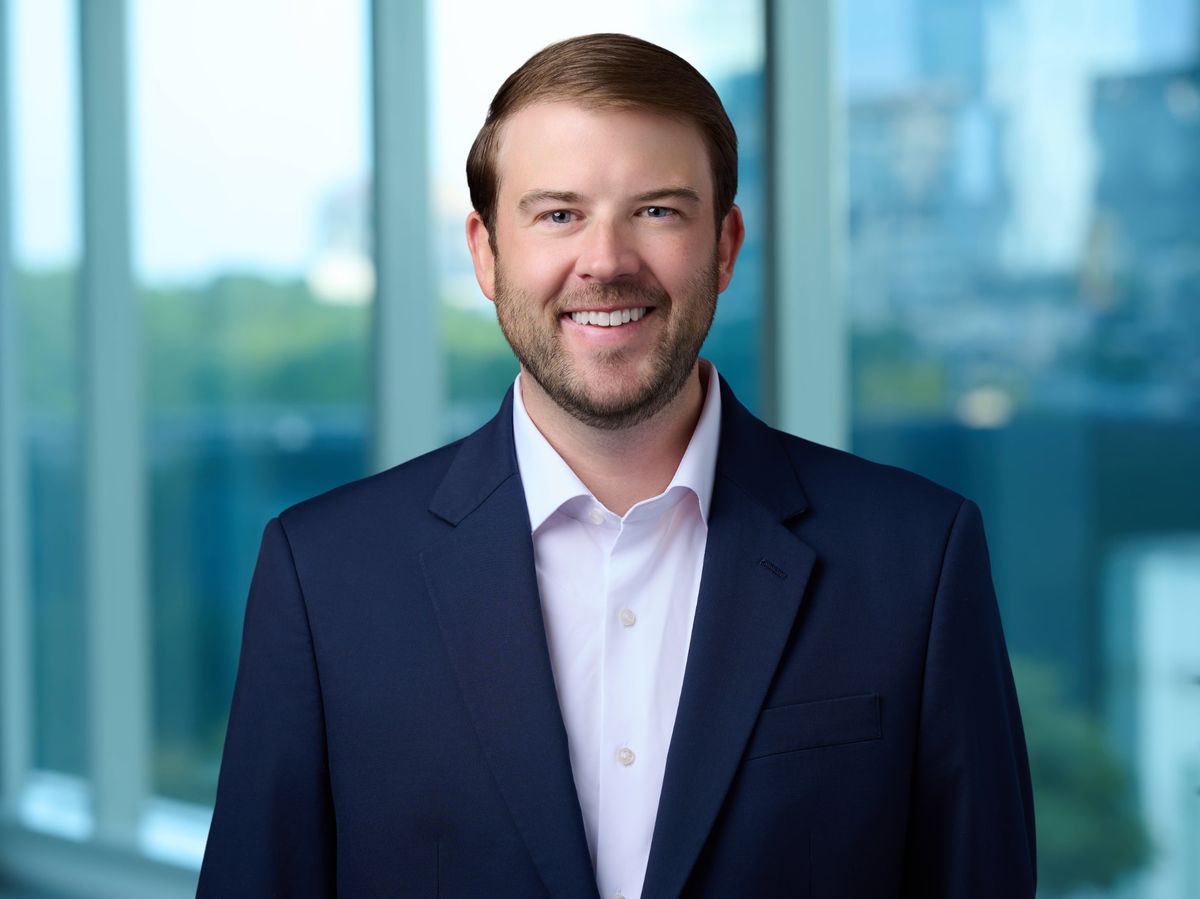
Cofounder
Camp Jennings is the co-founder of Henry North, a retained search and RPO firm serving the material handling and warehouse automation industry. He didn’t come up as a recruiter—he started his career as a sales leader in the space and built Henry North to solve the talent problems he lived firsthand. Camp also hosts the Load It or Leave It podcast, where he explores leadership, growth, and entrepreneurship across the supply chain world. Outside of work, Camp is a proud dad to two daughters and spends whatever free time he can find on the golf course.